How to Choose the Right Rotating Electrical Connector for Your Project
Understanding Rotating Electrical Connectors
What Are Rotating Electrical Connectors?
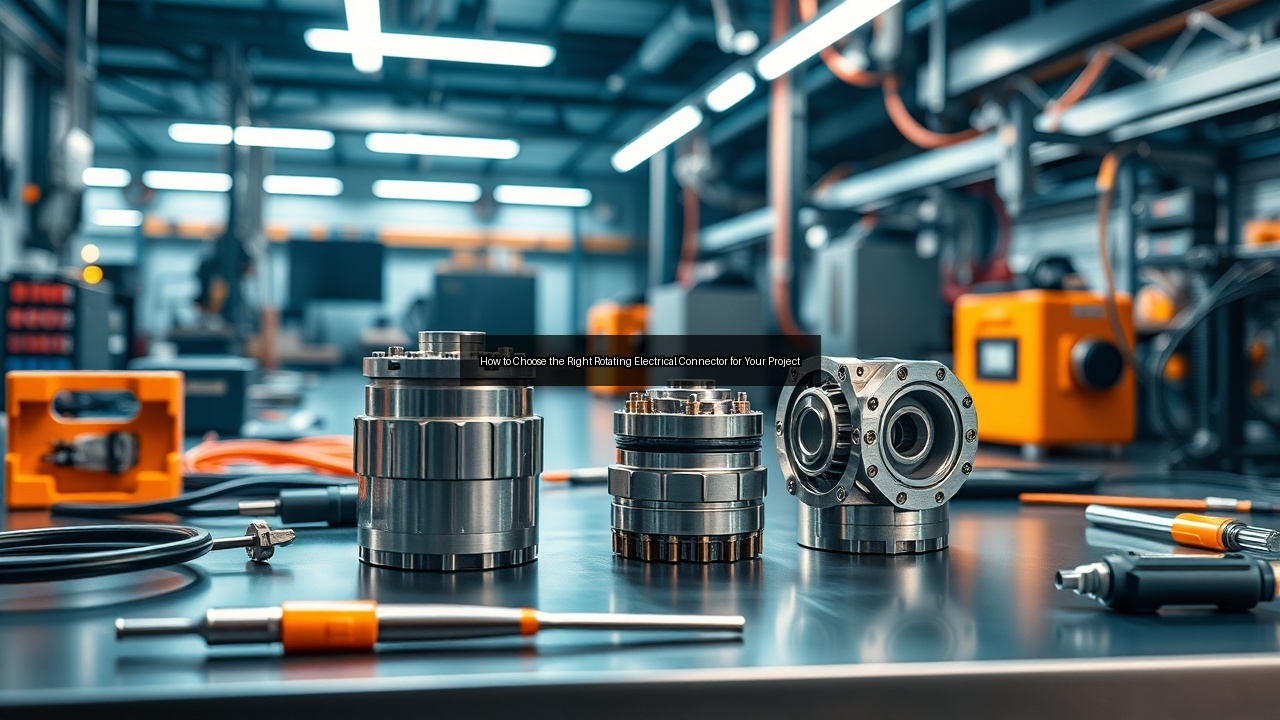
Rotating electrical connectors, also known as rotary connectors, serve as vital components in various applications requiring the transfer of electrical signals and power between stationary and rotating parts. These connectors allow for continuous rotation while maintaining electrical connectivity, making them indispensable in machinery, robotics, and other dynamic systems. The design typically involves a rotor and a stator, where the rotor rotates around the stator, enabling the passage of electrical currents without interruption. Their robust construction ensures durability, especially under demanding operational conditions, and they come in various configurations to meet specific project needs.
Moreover, rotating electrical connectors can accommodate various types of signals, including power, data, and even fluid transfer, making them highly versatile. The materials used in their construction—such as high-grade metals and insulators—are chosen for their ability to withstand extreme temperatures, corrosion, and mechanical stress. This makes them suitable for harsh environments like offshore drilling rigs, aerospace applications, and industrial automation lines.
Types of Rotating Connectors: An Overview
Rotating electrical connectors come in multiple types, each tailored for distinct applications. Slip rings are among the most common types, facilitating the transmission of power and data in rotating systems. They can handle multiple circuits and are available in various sizes and configurations. Slip rings can be further categorized into different subtypes, such as capsule slip rings for compact applications, and fiber optic slip rings for high-speed data transmission using light signals.
Another type is the rotary electrical contact, which often includes linear taper designs that enhance the connection quality while minimizing wear over time. Rotary electrical contacts can also be found in precision applications such as radar systems and precision instruments, where signal integrity is paramount. Additionally, there are specialized connectors designed for high-speed applications and environments where high voltage may be present, ensuring they can handle the specific challenges of their respective fields. By understanding the different types of connectors, engineers can select the most suitable option for their specific project requirements.
Applications of Rotating Electrical Connectors
The applications of rotating electrical connectors span various industries, showcasing their versatility. In the manufacturing sector, these connectors facilitate the operation of automated machinery, allowing for smooth rotation and continuous power supply. In the telecommunications industry, they enable data transmission in devices that require rotational movement, such as antennas and cameras. Robotics also heavily relies on rotating connectors, which help maintain electrical connections in robotic arms and other moving parts. Their utility extends to medical devices, wind turbines, and even amusement park rides, highlighting their importance in modern engineering.
In the aerospace sector, rotating electrical connectors are crucial for systems like gimbaled antennas and in-flight entertainment systems, where reliable connectivity during motion is essential. Furthermore, in the automotive industry, these connectors are utilized in steering columns and rotating headlights, exemplifying their versatility in dynamic applications. Understanding these diverse applications can guide the selection process for specific projects, ensuring that the chosen connector meets the unique operational demands of each industry.
Key Considerations for Selection
Assessing Speed Requirements
Speed requirements play a crucial role in selecting the right rotating electrical connector. Different connectors are designed to accommodate varying rotational speeds, making it essential to match the connector's specifications with the application's demands. For high-speed applications, such as in electric motors or robotics, choosing connectors that can handle rapid movement without compromising performance is vital. Failure to consider speed can lead to overheating, wear, and potential failure of the connector. Engineers should evaluate the maximum RPM (revolutions per minute) required for their project and select connectors that can sustain those speeds while ensuring reliability and efficiency.
Additionally, the rotational inertia and torque requirements of the connected components should also be taken into account, as these factors influence the operational efficiency and lifespan of the connector. Using a connector rated for higher speeds than necessary can enhance durability and reduce maintenance frequency, contributing to overall system reliability.
Handling High Voltage Applications
When dealing with high voltage applications, safety and reliability become paramount in the selection of rotating electrical connectors. High voltage environments demand connectors that can withstand significant electrical stress without failure. These connectors should feature robust insulation and materials designed to handle the heat generated by high voltage currents. Engineers must also consider the connector's voltage rating to ensure it meets or exceeds the operational requirements. Additionally, implementing safety measures such as ground fault protection and proper shielding can prevent electrical hazards. Understanding these factors helps in selecting connectors that ensure safe and reliable operation in high voltage scenarios.
Furthermore, the design of high voltage connectors often includes features like arc suppression and enhanced dielectric strength to prevent breakdown under extreme conditions. Conducting thorough testing under simulated operational conditions is crucial to verify performance and safety, particularly in industries where failure could have catastrophic consequences.
Evaluating Wiring and Integration Needs
Wiring and integration needs significantly influence the choice of a rotating electrical connector. Compatibility with existing systems is critical, as any mismatch can lead to performance issues. Engineers should assess the wiring configuration, including the number of circuits required and the type of signals transmitted. Some projects might require connectors with multiple circuits to accommodate various signals, while others may need specialized configurations for data transfer. Additionally, understanding the physical space available for installation helps determine the size and form factor of the connector. Proper evaluation of these aspects ensures seamless integration and optimal performance in the overall system.
Moreover, the type of connectors needed—whether circular, rectangular, or custom shapes—should be evaluated based on the spatial constraints and operational requirements. For instance, circular connectors are often preferred in applications requiring rotation due to their symmetrical design, while rectangular connectors might be used in fixed applications. Considering these factors during the design phase can save time and resources during installation and maintenance.
Technological Advances in Rotating Connectors
The Role of Wireless Technology
Wireless technology has revolutionized the landscape of rotating electrical connectors, offering innovative solutions that enhance performance and flexibility. With advancements in wireless transmission methods, engineers can now design systems that eliminate the need for physical connectors, reducing wear and maintenance concerns. Wireless connectors transmit power and data through radio frequencies or optical signals, allowing for greater freedom of movement in applications such as robotics and aerial drones. This technology simplifies the design process, reduces potential failure points, and opens new possibilities for applications previously constrained by traditional connector limitations. Embracing wireless technology can lead to more efficient and adaptable systems.
However, the transition to wireless technology comes with its own set of challenges, such as ensuring data integrity and addressing potential interference from surrounding electromagnetic fields. Ongoing advancements in encryption and signal processing are helping to mitigate these issues, paving the way for wider adoption in critical applications.
Innovations in Slip Rings and Rotary Electrical Contacts
Innovations in slip rings and rotary electrical contacts have significantly improved their performance and reliability. Modern slip rings now feature advanced materials that enhance conductivity and reduce friction, thereby increasing their lifespan. Engineers have developed more compact designs, allowing for integration into tighter spaces without sacrificing power capacity. Furthermore, advancements in manufacturing techniques have led to higher precision in these components, ensuring better alignment and reduced signal loss. The ongoing research and development in this area promise even more improvements, making it essential for engineers to stay updated on the latest innovations to make informed choices for their projects.
Additionally, developments in modular slip rings allow for customizable configurations, enabling engineers to adapt connectors for specific applications without the need for entirely new designs. These innovations are driving the future of rotating electrical connectors, ensuring they remain relevant in an ever-evolving technological landscape.
Adapters and Compatibility with Existing Systems
Adapters play a crucial role in ensuring compatibility between new rotating electrical connectors and existing systems. As technology evolves, the need for seamless integration with legacy systems becomes increasingly important. Engineers can utilize adapters to bridge the gap between different connector types, ensuring that new components work harmoniously with older equipment. This adaptability not only prolongs the life of existing systems but also allows for gradual upgrades without complete overhauls. When selecting a rotating electrical connector, considering available adapters can enhance overall project efficiency and reduce costs associated with replacing entire systems.
Moreover, the development of standardized interfaces can further simplify the integration process, allowing for greater interoperability between different manufacturers’ products. As industries continue to evolve, the ability to adapt and integrate new technologies into established systems will be key to maintaining competitive advantages.